Chinatown council rules for selling flowers at market stalls
Posted on 04/10/2026
Chinatown council rules for selling flowers at market stalls: a practical guide for sellers
If you are planning to sell flowers in Chinatown, the rules can feel a bit tangled at first. One minute you are thinking about roses, buckets, and a sharp-looking stall; the next, you are wondering about permits, council conditions, waste, trading hours, and whether your setup is actually allowed. That is exactly where a clear guide helps. This article on Chinatown council rules for selling flowers at market stalls breaks the topic down in plain English so you can trade confidently, avoid common mistakes, and focus on what matters: making your stall look good and running it properly.
Whether you are setting up a small seasonal display, testing a new flower business, or trying to understand what a council or market operator might expect, the basics are similar. You need to know who controls the site, what permissions are required, what counts as a compliant stall, and how to keep things neat and safe in a busy pedestrian area. Let's make it practical.
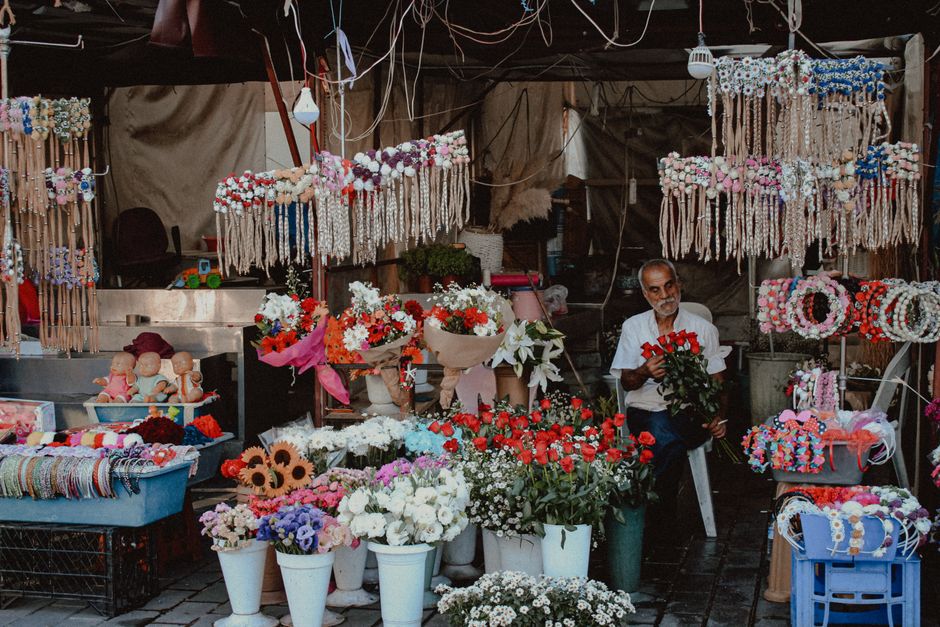
Table of Contents
- Why Chinatown council rules for selling flowers at market stalls matter
- How the rules usually work in practice
- Key benefits and practical advantages
- Who this is for and when it makes sense
- Step-by-step guidance
- Expert tips for better results
- Common mistakes to avoid
- Tools, resources and recommendations
- Law, compliance, standards, and best practice
- Options, methods, and comparison table
- Case study or real-world example
- Practical checklist
- Conclusion
- Frequently asked questions
Why Chinatown council rules for selling flowers at market stalls Matters
Flower stalls are simple in theory and surprisingly detailed in practice. In a busy place like Chinatown, the council, market operator, landlord, or licensing team may care about much more than whether you have fresh stock. They may look at your pitch footprint, how you store water, whether your display blocks footfall, how you manage waste, and whether your trading is consistent with local conditions.
Why does this matter so much? Because a good stall can be brilliant for impulse sales, but only if it is run in a way that respects the site. The best sellers understand that compliance is part of presentation. A tidy bucket arrangement, clear pricing, and well-managed stock can make the difference between a stall that feels chaotic and one that feels inviting. And in a place where customers are often moving quickly, that first impression counts.
There is also the practical risk side. If you set up without the right permission, you may be asked to move, adjust your layout, or stop trading altogether. Nobody wants that halfway through a Saturday rush, with flowers open and someone already asking for peonies. Not ideal, to say the least.
Expert summary: The safest approach is to treat council rules, market rules, and site-specific conditions as three separate layers. You need all three to line up before you trade smoothly.
How Chinatown council rules for selling flowers at market stalls Works
Most flower stalls in a city setting do not operate on a single rulebook. Instead, the practical framework usually comes from a mix of permissions and operating conditions. That might include local authority trading permissions, market-specific requirements, environmental health expectations, waste arrangements, and sometimes planning or highway considerations depending on where the stall sits.
In plain English, here is how it tends to work:
- Permission comes first. You need to confirm whether the stall is on private market land, council land, or a street trading pitch.
- Conditions follow. These may cover opening times, stall size, electrical use, drainage, storage, and cleanliness.
- Operations matter daily. Even if you have permission, how you set up, display, and pack down can affect whether you stay compliant.
- Inspections or checks may happen. Councils and market operators sometimes review safety, trading behaviour, or site use when concerns arise.
That means the phrase "council rules" can cover more than a licence application. It can also include the everyday standard you must meet on the ground. A florist might think, "I've got flowers and I'm ready," but the site may be thinking, "Where will the water go, and can pedestrians still pass comfortably?" Different priorities, same stall. That's the reality.
Another thing people miss: some markets are run by separate operators with their own rules, so the council may not be the only decision-maker. If your pitch is inside or adjacent to a managed market area, the operator may set trading style, stall dressing, and product restrictions. So if you are asking "What are the Chinatown council rules?" the deeper question is often "Who actually controls this pitch?"
Key Benefits and Practical Advantages
Following the correct rules is not just about avoiding hassle. Done well, it gives you a better trading position. Here are the main advantages.
- Fewer interruptions: You are less likely to be challenged by enforcement or site staff.
- Better customer flow: A stall that keeps walkways clear feels easier to browse.
- Stronger brand trust: Customers notice organised stalls, especially when buying gifts or event flowers.
- Lower waste: Good handling and storage reduce spoilage, which matters with fresh flowers.
- More repeat business: People come back to stalls that feel reliable and pleasant.
There is a commercial upside too. A compliant stall tends to look more professional, even if you are operating on a modest budget. Fresh buckets, clean signage, and a sensible layout can make cheap flowers look better and premium flowers look premium. Honestly, a tidy stall does half the selling before you say a word.
And for customers, a clear, lawful setup simply feels easier to trust. In a neighbourhood like Chinatown, where there is a lot happening in a small space, that trust matters more than people realise.
Who This Is For and When It Makes Sense
This guidance is useful for a few different people. You might be:
- a florist wanting to trial a market stall in Chinatown
- an existing trader expanding into fresh flowers or mixed gift displays
- a seasonal seller offering flowers for holidays, weddings, or events
- a small business owner who needs a better footfall location than a standalone shop
- a newcomer trying to understand the trading environment before investing in stock and equipment
It also makes sense if you are thinking about the practical side of a market stall rather than just the romantic side. Flowers are lovely, of course, but they are also perishable, weather-sensitive, and easy to damage. If you have ever seen a bunch of tulips sagging by lunchtime because they were left in direct sun, you will know the point. The business needs structure.
This topic is especially relevant if you expect customer demand to change throughout the day. Morning commuters, lunch-hour shoppers, tourists, and evening buyers often want different things. A Chinatown stall can work well if the rules and layout let you adapt quickly without creating a mess.
Step-by-Step Guidance
If you are trying to get started in a sensible way, follow a structured process. That saves time and a fair bit of stress.
1. Confirm who controls the pitch
Before buying stock or printing signage, find out whether the site is managed by the council, a private market operator, or another landholder. This one step saves a lot of back-and-forth later.
2. Ask what permission you need
You may need a street trading licence, a market stall agreement, or site permission. The exact route depends on where the stall sits and how trading is classified. Do not assume that one permission covers everything.
3. Check stall conditions carefully
Look for limits on dimensions, canopy use, water disposal, electricity, storage, and trading hours. If you plan to display wrapped bouquets, buckets, or refrigeration, make sure the site allows it.
4. Design a layout that works with foot traffic
Keep the busiest items at the front, leave enough room for customers to pause, and avoid blocking routes. A cramped stall can feel chaotic very quickly, especially when people stop to compare colours or ask for same-day arrangements.
5. Plan stock for freshness
Flowers do not like being ignored. Build your buying and display plan around how long blooms can stay presentable in the conditions you actually have. Shade, water access, and turnover all matter.
6. Set your pricing and signage clearly
Visible pricing reduces hesitation. Customers are far more likely to buy when they can see whether a bouquet sits in the cheap, mid-range, or premium bracket without having to ask. Simple signage works best.
7. Arrange waste and pack-down routines
Plan what happens to stems, packaging, water, and damaged stock at the end of the trading day. If you leave that until closing time, things get messy. Very quickly.
8. Keep records and contact details handy
Save copies of permissions, insurance details if required, supplier contacts, and any site instructions. A small folder or digital file can be a lifesaver when questions come up.
One useful habit: do a quick pre-open check each day. Are the buckets topped up? Are labels visible? Is the stall tidy from the customer side? Is anything likely to blow over in a gust of wind? Small questions, but they prevent bigger headaches.
Expert Tips for Better Results
The difference between a decent stall and a strong one is often in the details. Here are the habits that help most.
- Use colour deliberately. Group blooms by palette so the stall reads well from a distance.
- Keep top-selling flowers easy to reach. Customers often want a quick choice, not a treasure hunt.
- Rotate stock during the day. Move the freshest stems forward and reduce the display of tired blooms.
- Match display to weather. On warmer days, shade and water become non-negotiable.
- Offer a few clear price points. Too many options can slow buying. A simple range is often better.
- Stay friendly but efficient. Busy market shoppers appreciate service that is warm without being pushy.
In our experience, customers in dense shopping areas often decide faster than you expect. They notice scent, colour, and whether the stall feels calm. A little order goes a long way. And yes, a flower stall can be both practical and beautiful - it should be both.
Another tip that gets overlooked: train your eye for stem quality at the point of purchase. If you buy poorly, the best stall in the world cannot rescue weak product. Bit harsh, but true.

Common Mistakes to Avoid
Even experienced sellers slip up when moving into a new trading environment. These are the most common avoidable errors.
- Starting without confirming permissions. Assuming the pitch is "fine" can be expensive and embarrassing.
- Ignoring site-specific rules. Market rules are not optional just because you have a good display.
- Overloading the stall. Too much stock makes the space feel cluttered and can damage flowers.
- Poor water management. Spills, leaks, and soaked packaging create safety and cleanliness problems.
- Weak signage. If customers cannot understand your offer quickly, they often walk past.
- Not planning for weather. Wind, rain, and heat all affect presentation and shelf life.
- Letting waste build up. A few discarded stems become a mess before you know it.
There is also a quieter mistake: assuming that compliance and creativity are opposites. They are not. A well-run, rule-compliant stall can be more attractive precisely because it is tidy and calm. Customers notice that atmosphere. They really do.
Tools, Resources and Recommendations
You do not need a huge setup to run a smart flower stall, but a few tools make life easier.
- Sturdy buckets and carriers: Useful for transport and display.
- Water-proof price signage: Helps keep offers visible in changing weather.
- Cleaning cloths and a small bin system: Essential for neat pack-down and presentation.
- Sharp snips or florist scissors: Better cuts mean better flower handling.
- Shade cover or canopy, where permitted: Useful on brighter days.
- Simple stock log: Helps you track what sells, what lasts, and what needs replacing.
If you already operate a florist business, your broader operational pages can also help keep standards consistent across online and offline sales. For example, a seller who offers flower delivery in Chinatown W1 or works through a florist Chinatown W1 model may already have systems for stock control, care, and customer service that can be adapted for stall trading.
If you need to build reliability into the offer, it helps to think about what customers will expect from a local flower business more broadly. Pages such as flower care and delivery can support the same standards behind the scenes, even if the actual selling point is a market stall.
Law, Compliance, Standards, or Best Practice
Because this topic touches trading permission and public-space use, it is sensible to be careful. The exact legal position depends on the location, ownership of the land, and the type of trading arrangement. In the UK, councils often have their own street trading or market controls, while private market operators may impose separate contractual terms. If the stall is in a pedestrian-heavy area, there may also be expectations around obstruction, safety, and nuisance.
At a minimum, sensible compliance usually means:
- trading only where you are allowed to trade
- keeping the stall footprint within approved limits
- maintaining safe, clear access for the public
- handling water, packaging, and waste responsibly
- following hygiene and cleanliness standards appropriate to fresh produce
- respecting any local rules on signage, amplified noise, or stall equipment
If you are unsure, ask for the written rules rather than relying on memory or hearsay. People love saying "that should be fine" when they do not actually know. It happens. Better to check than to guess. Quite a lot better.
For businesses that also sell online, policies and trust pages matter too. Clear information on terms and conditions, returns and refund, privacy policy, and payment helps build confidence across the whole customer journey.
Options, Methods, and Comparison Table
There is more than one way to sell flowers in a Chinatown setting. The right approach depends on your budget, your stock turnover, and how much control you want over the site.
| Method | What it suits | Main strengths | Watch-outs |
|---|---|---|---|
| Fixed market stall | Regular trading with repeat footfall | Stable setup, better branding, easier planning | May involve stricter conditions and ongoing fees |
| Seasonal pop-up pitch | Peak periods, events, and testing demand | Flexible, lower commitment, useful for trialling products | Less consistent visibility and shorter trading windows |
| Shared or concession-style space | Businesses wanting lower overheads | Can reduce setup burden and simplify operations | Less control over display and customer flow |
| Street-facing pitch | High-footfall, quick-sale trading | Strong visibility and impulse buying potential | Usually the most sensitive to council and site restrictions |
For some traders, a fixed stall is worth it because the routine becomes easier. For others, a lighter seasonal approach is smarter, especially if flowers are part of a wider event or gift business. There is no one-size-fits-all answer. The best choice is the one you can actually run well, not the one that sounds glamorous on paper.
Case Study or Real-World Example
Consider a small florist preparing to trade near a Chinatown market area on weekends. The owner starts with a simple goal: sell fresh mixed bouquets and a few seasonal bunches without overcomplicating the setup. At first, they plan to bring a large display table and several open buckets because it looks attractive in the shop. But after checking the pitch conditions, they realise the available space is narrower than expected and foot traffic is heavier than they thought.
So they adjust. The stall becomes smaller, but more organised. The owner reduces the number of bouquet styles, keeps clear pricing cards, uses fewer but fuller displays, and leaves space for people to stand without blocking others. They also build in a tidy water routine and a faster pack-down method. The stall feels calmer almost immediately.
What changed? Not the flowers. The operating discipline changed. Customers started stopping longer because they could see what was on offer without feeling squeezed. The trader found that the practical side of Chinatown council rules for selling flowers at market stalls was not a burden after all; it was part of making the business work properly in a busy environment. A bit of structure, a bit less clutter, and the whole thing clicked.
Practical Checklist
Use this checklist before your first day trading, or before you reopen after a break.
- Confirm who controls the pitch and what permission is required
- Read any written stall, market, or street trading conditions
- Check stall size, placement, and opening-hour rules
- Make sure your stock plan suits the weather and trading length
- Prepare clear pricing and visible signage
- Arrange buckets, water, and waste handling in advance
- Keep walkways clear and the display stable
- Store key documents and contact details safely
- Plan pack-down so the area is left clean
- Review what sold well and what did not after the session
One small but useful habit: stand back from the stall for a moment before opening. If it looks confusing from three steps away, it is probably confusing to customers too. That little pause can save the day.
Conclusion
Chinatown council rules for selling flowers at market stalls are really about making sure your stall can trade safely, neatly, and with the right permission. If you understand who controls the site, what the conditions mean, and how to keep your display practical, you put yourself in a much stronger position. You also create a better experience for customers, which is what this is all about in the end.
The smartest sellers do not treat compliance as a nuisance. They use it as part of their setup. Cleaner layout, clearer pricing, better stock handling, fewer surprises. That combination tends to work well in busy places. And truth be told, a flower stall that feels calm in the middle of a crowded street has a special kind of appeal.
Get a free quote today and see how much you can save.
Start with the rules, build a tidy stall, and let the flowers do the rest. Small details, done properly, can carry a business a long way.
Frequently Asked Questions
Do I need a council licence to sell flowers at a Chinatown market stall?
Often, yes, but the exact permission depends on whether the pitch is controlled by the council, a private operator, or another landholder. Some sites require a street trading licence, while others use a market agreement or site permit. Always confirm the written requirements before you trade.
Can I sell flowers from any stall location in Chinatown?
No. The location matters a lot. Some spots may be restricted because of pedestrian access, neighbouring businesses, loading rules, or market layout. A pitch that looks suitable from the street may still be unsuitable under local conditions.
What are the most common Chinatown council rules for selling flowers at market stalls?
Common rules usually cover stall size, trading hours, cleanliness, safe access, waste handling, and equipment use. Depending on the site, there may also be rules about canopies, electricity, storage, and how the stall is presented.
Are flower stalls allowed to block walkways?
Generally no. Public access is a major concern in busy trading areas, and stalls usually need to leave enough clear space for people to pass safely. If your display creates bottlenecks, you may be asked to change the layout.
Do I need special insurance to sell flowers at a market stall?
Often market operators or landlords ask for public liability insurance, though the exact requirement depends on the arrangement. Even when it is not explicitly requested, having suitable cover is usually a sensible business decision.
How fresh do my flowers need to be for stall trading?
Freshness should be high enough to meet customer expectations and maintain quality throughout the trading session. That means planning your stock rotation, water access, and display conditions carefully. Heat, sun, and crowding can shorten vase life fast.
Can I sell cheap flowers and premium bouquets from the same stall?
Yes, and many traders do. The key is to organise them clearly so customers understand the difference. A simple structure, such as value bunches at the front and premium arrangements in a separate section, usually works better than mixing everything together.
What happens if I trade without the right permission?
You may be told to stop trading, move pitch, or apply properly. In some cases, there may be further enforcement steps depending on the site and circumstances. It is much easier to sort out permission first than to fix a problem mid-trade.
How can I make a small flower stall look more professional?
Use clear signage, consistent pricing, tidy buckets, and a simple colour story. Avoid overcrowding the display. In a compact market setting, a neat stall almost always feels more trustworthy than a packed one.
Is selling flowers in Chinatown better for weekend trading or daily trading?
That depends on your stock, your staffing, and the local footfall pattern. Weekend trading can be strong for impulse purchases, while daily trading may suit commuters and regular customers. Test the rhythm carefully before committing too heavily.
Do market stall rules usually cover packaging and waste?
Yes, they often do. Fresh flowers create stems, wrapping, water, and general packaging waste, so a good site will expect you to handle those materials responsibly. A tidy waste routine makes pack-down quicker and keeps the area pleasant for everyone.
Where can I learn more about running a florist business alongside stall sales?
Look at the wider operational side of your business as well as the stall itself. Pages such as about us, guarantees, and contact us can help customers understand your standards, while product collections like best sellers and best flower delivery Chinatown W1 can support broader sales planning.