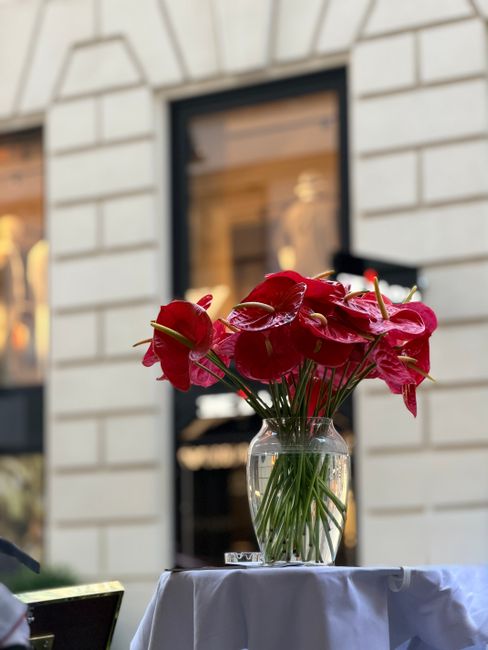
Corporate flower subscriptions Chinatown businesses Piccadilly Circus
Posted on 12/10/2026
Corporate Flower Subscriptions for Chinatown Businesses Near Piccadilly Circus
If you run a business in or around Chinatown and Piccadilly Circus, you already know the pace is brisk. Deliveries come and go, clients drop in unannounced, and the first impression at reception matters more than people admit. That is where corporate flower subscriptions Chinatown businesses Piccadilly Circus can quietly do a lot of heavy lifting. A regular flower plan keeps your space looking cared for without turning office decor into another task on someone's already full list.
Done well, it is not just about "having flowers." It is about consistency, brand feel, and a welcoming atmosphere from the minute someone steps in off the street. In a district where hospitality, retail, professional services, and entertainment all overlap, the right arrangement can make a room feel brighter, calmer, and a touch more polished. Let's face it, that matters. A lot.
This guide explains what corporate flower subscriptions are, how they work, who they suit, what to watch out for, and how to choose a service that fits the practical realities of Chinatown and Piccadilly Circus. You will also find a checklist, a comparison table, and a realistic example of how subscriptions work in the real world.

Table of Contents
- Why Corporate Flower Subscriptions for Chinatown Businesses Near Piccadilly Circus Matter
- How the Subscription Model Works
- Key Benefits and Practical Advantages
- Who This Is For and When It Makes Sense
- Step-by-Step Guidance
- Expert Tips for Better Results
- Common Mistakes to Avoid
- Tools, Resources and Recommendations
- Law, Compliance, Standards, or Best Practice
- Options, Methods, or Comparison Table
- Case Study or Real-World Example
- Practical Checklist
- Conclusion
- Frequently Asked Questions
Why Corporate Flower Subscriptions Chinatown businesses Piccadilly Circus Matters
Chinatown and Piccadilly Circus sit in a part of London where atmosphere sells. A reception desk, restaurant entrance, salon, meeting room, or private office is not just a functional space; it is part of the customer experience. Fresh flowers soften the hard edges of a city environment. They make a lobby feel less transactional. They can make a small room feel less cramped. And they signal that a business pays attention to detail.
That sounds simple, but in busy central London it has real value. Visitors often make judgments in seconds. If the foyer looks stale, the whole business can feel stale too. If the flowers are fresh, tidy, and well matched to the setting, the space feels looked after. There is no magic here, just consistent presentation.
For businesses near Piccadilly Circus, there is also a practical side. Staff rarely have time to remember weekly flower shopping, condition the stems, or replace tired arrangements. A subscription removes that admin burden. You choose a service level, delivery rhythm, and style profile, and the flowers arrive on a schedule. Simple enough, really.
It also matters because these areas attract varied audiences. One day you are welcoming international clients, the next day suppliers, regulars, or a last-minute visitor from across town. Flowers help create a stable, polished visual identity no matter who walks in. In our experience, that consistency is often what people remember most.
How Corporate Flower Subscriptions Chinatown businesses Piccadilly Circus Works
A corporate flower subscription is a recurring flower delivery service designed for business premises. Rather than ordering ad hoc, you set up a plan that provides fresh arrangements on a weekly, fortnightly, or monthly basis, depending on the service and the look you want to maintain.
Here is the basic process:
- Choose your delivery schedule. Weekly works well for higher-traffic spaces, while fortnightly can suit quieter receptions, meeting rooms, or offices with smaller displays.
- Set your style preference. You may want seasonal mixed flowers, a palette that matches your brand, or more formal white arrangements for a calm corporate feel.
- Confirm the delivery details. In central London, timing matters. A reliable window helps avoid congestion issues and ensures flowers are placed before the day gets busy.
- Decide on the vessel or display type. Some subscriptions include vases or reusable containers, while others rotate stems only.
- Review refresh and replacement rules. Good providers explain what happens if a delivery arrives damaged or if stems do not last as expected.
A subscription is not the same as a one-off bouquet. It is a relationship. The florist learns what works in your space, what colours suit the interior, and what size fits your reception or boardroom without taking over the table like an overexcited centrepiece. A bit of restraint often looks more expensive than abundance.
For Chinatown businesses in particular, the rhythm of the neighbourhood can influence the best approach. Restaurants may need stronger scent control and sturdy arrangements that stand up to heat and foot traffic. Offices may want subtler styling. Hospitality venues around Piccadilly Circus often need a balance between visible impact and easy maintenance. One size does not fit all, despite what some brochures imply.
Key Benefits and Practical Advantages
There are plenty of reasons businesses use flower subscriptions, but the strongest ones are usually practical rather than decorative.
- Consistency without extra admin. No one has to remember to re-order. The flowers just arrive.
- Better first impressions. Fresh flowers make a front-of-house area feel cared for and intentional.
- Seasonal variety. You can keep the same general style while changing colour and texture through the year.
- Brand support. Flowers can reinforce a business identity, whether that means modern, elegant, welcoming, or premium.
- Better use of space. A well sized arrangement can soften a narrow desk, long counter, or plain meeting room.
- Flexible budgeting. Subscriptions are often easier to plan for than repeated ad hoc purchases.
- Staff morale. It sounds minor, but people do notice attractive surroundings. It lifts a room.
There is also a less obvious benefit: flowers can help a business feel more human. In a district with glass, screens, movement, and noise, something natural in the room changes the tone. You can almost hear the pace of the day settle a touch when a space looks calmer. Not always, but often enough to matter.
If your business already uses other recurring services, flowers fit neatly into that operational rhythm. Many companies pair subscriptions with other front-of-house standards, from cleaning schedules to reception presentation. For businesses exploring broader service consistency, the corporate accounts page can be a useful place to understand how ongoing arrangements are structured.
Who This Is For and When It Makes Sense
Corporate flower subscriptions are most useful when appearance affects trust, comfort, or perceived quality. That includes a wider group than many people first think.
- Offices and professional services that want a reception area to feel polished and welcoming.
- Restaurants, cafes, and hospitality businesses that need ambience without ongoing fuss.
- Salons, studios, and wellness spaces where atmosphere is part of the service.
- Retail showrooms that use visual presentation to support premium positioning.
- Event spaces and venues that host regular meetings, launches, or client visits.
- Small independents in Chinatown and around Piccadilly Circus that want to look established and well cared for.
It makes sense when:
- the front desk is visible to visitors every day;
- your team does not have time for flower shopping and upkeep;
- you need regular refreshes rather than occasional displays;
- you want a reliable aesthetic for photos, meetings, or client-facing areas;
- you have noticed the space feels a bit flat or impersonal without something natural in it.
It may be less suitable if your premises are rarely seen by clients, if you have no safe place to display arrangements, or if the space is too constrained for regular deliveries. To be fair, not every business needs flowers every week. Some only need them for key dates, launches, or seasonal peaks. That is fine too.
Step-by-Step Guidance
If you are setting up a subscription for the first time, keep it simple. A good plan should reduce stress, not create more of it.
- Assess the space. Measure your reception desk, bar, meeting table, or entrance area. A modest arrangement in the right place often looks better than an oversized one squeezed into a corner.
- Decide the mood you want. Bright and energising? Quiet and elegant? Contemporary and minimalist? Your flower choice should support the room, not compete with it.
- Identify the practical constraints. Think about lighting, temperature, fragrance sensitivity, cleaning routines, and foot traffic. A busy restaurant entrance has different needs from a quiet solicitor's office.
- Set a delivery rhythm. Weekly suits high-use spaces; fortnightly or monthly can work for lower-traffic settings or smaller budgets.
- Choose colour and stem families. Mixed seasonal arrangements feel lively, while whites, pinks, purples, or reds can support a more deliberate brand palette.
- Plan for substitutions. A flexible florist will sometimes need to swap stems based on seasonality or supply. Agree in advance how much variation is acceptable.
- Review after the first cycle. Check how the flowers perform in your actual space. Do they last? Do they fit? Are they too scented? This is where the service becomes truly useful.
A small note that saves headaches: ask who will receive the delivery and where it should be left if the relevant person is out. Businesses in central London move quickly. Missed handovers happen. A clear process helps.
And yes, it is worth asking how the florist handles changes during busy periods. If a last-minute event pops up, or your opening hours shift, flexibility can be more valuable than a slightly lower price. We have all seen the "great deal" that turns into a silly amount of faff later. Not ideal.
Expert Tips for Better Results
Good subscriptions are not just about fresh flowers. They are about the right flowers in the right setting at the right time.
- Match size to viewing distance. Reception arrangements should read well from a few metres away. Table pieces can be smaller and more detailed.
- Use scent carefully. In food-led businesses or smaller offices, strongly scented flowers can be distracting.
- Think about vase weight and stability. In busy areas, especially near doorways, light arrangements can get knocked.
- Choose low-maintenance stems if the team is busy. Some flowers are simply more forgiving than others.
- Rotate colours seasonally. This keeps the space feeling intentional rather than repetitive.
- Keep one "safe" arrangement style. A consistent core look makes branding easier, even when the flowers change.
If you want a corporate look that feels clean and understated, white or mixed neutral palettes often work well. If the business needs warmth and energy, yellows, pinks, and mixed seasonal displays tend to soften hard interiors. For a stronger luxury feel, deeper tones and structured designs can be effective. The important thing is coherence. Randomness rarely looks premium.
Another useful habit: photograph each delivery in your own space. Sounds minor, but it helps you spot patterns. Maybe one vase is too tall, maybe the boardroom looks better with a wider design, maybe the entrance needs something brighter. Small adjustments make a noticeable difference over time.
Expert summary: The best corporate flower subscription is the one that fits how your business actually works, not how a brochure says it should work. Start with function, then style, then budget. In that order.

Common Mistakes to Avoid
Even a simple flower subscription can go off track if a few basics are missed.
- Choosing flowers only by photo. A beautiful image does not always translate to your lighting, temperature, or room size.
- Ignoring fragrance and allergy concerns. Not every workspace enjoys strong scent. Be careful with lilies and other more aromatic stems if people are sensitive.
- Over-ordering for the space. Big does not automatically mean better. Sometimes it just means crowded.
- Forgetting maintenance. If the team will not have time to top up water or remove fading stems, choose arrangements that can cope.
- Not clarifying substitutions. Seasonal changes are normal, but you should know what flexibility you are agreeing to.
- Leaving delivery timings vague. In central London, this can lead to frustration fast.
- Using the same arrangement forever. Repetition can make even a nice display feel invisible.
One common mistake is treating flowers like a decorative afterthought. Truth be told, once they become part of a business routine, they deserve the same practical thinking as any other recurring service. Where will they go? Who handles them? What happens if the vase chips, the stems are short, or the room is hotter than expected?
Tools, Resources and Recommendations
You do not need a complicated system to run flower subscriptions well, but a few simple tools help:
- A space note or floor plan. This is useful if you have multiple entrances, desks, or meeting rooms.
- A recurring calendar reminder. Even with a subscription, someone should check arrival and condition.
- A style reference folder. Keep examples of arrangements you liked, plus notes on what worked and what did not.
- A basic care routine. Fresh water, clean vase, removed leaves, and a quick check of room temperature go a long way.
- A budget range. Knowing your monthly comfort zone makes it easier to choose the right plan.
If you want to browse relevant flower families and seasonal ideas, the product pages for all flowers, luxury flowers, and mixed colours can help you narrow down the visual direction. For a recurring service specifically, the 12 month flower subscription, 6 month flower subscription, and 3 month flower subscription options are worth reviewing.
There are also brand and service pages that help with expectations, including flower care, delivery, guarantees, and returns and refund. Those pages are not glamorous, but they are the sort of details that matter when you are managing a business purchase rather than a one-off treat.
Law, Compliance, Standards, or Best Practice
For most businesses, flower subscriptions are not heavily regulated, but there are still a few sensible best-practice considerations. In the UK, businesses are expected to manage their premises safely and avoid avoidable hazards. That means flower displays should not block exits, create trip risks, or interfere with customer movement. In compact spaces around Chinatown and Piccadilly Circus, that is worth taking seriously.
If arrangements are placed on counters or in walkways, they should be stable and positioned so they are unlikely to be knocked. Water spills should be cleaned promptly. If your team has allergy concerns or fragrance sensitivities, choose flowers accordingly and speak openly with the florist about lower-scent options.
It is also sensible to be clear about procurement and record-keeping if the subscription is part of a company account. Many businesses prefer straightforward invoicing, agreed payment terms, and written confirmation of service levels. That is just good admin, nothing fancy.
On the ethics side, some companies care about sustainability, supplier standards, and sourcing choices. If that matters to your organisation, ask questions early. A florist should be able to explain their approach without making it sound like a TED talk. For broader company information, the sustainability, modern slavery statement, privacy policy, and terms and conditions pages are sensible reference points.
Options, Methods, or Comparison Table
Different businesses need different subscription styles. Here is a simple comparison to help you choose.
| Option | Best for | Advantages | Watch-outs |
|---|---|---|---|
| Weekly subscription | Busy receptions, restaurants, client-facing premises | Always looks fresh, strong visual impact | Higher commitment, more frequent delivery handling |
| Fortnightly subscription | Smaller offices, quieter spaces, balanced budgets | Good value, easier to manage | May suit less demanding environments only |
| Monthly refresh | Meeting rooms, private offices, lower-footfall areas | Light-touch, economical | Less consistent visual impact |
| Seasonal rotating plan | Brands that want variety throughout the year | Feels dynamic and curated | Needs a bit more creative input |
If your business is customer-facing all day, weekly usually delivers the cleanest result. If your team mainly wants a tasteful visual accent, fortnightly can be enough. And if you only need flowers around launches, client events, or peak trading periods, a seasonal plan might be the smartest option.
Case Study or Real-World Example
Imagine a small professional services office just off the busy Piccadilly Circus flow, with a narrow reception area and one meeting room used all day. The team wants the place to feel calm, but they do not want anything too fussy or strongly scented. Their front desk is visible from the entrance, so it matters that the display looks good in the morning and still holds up by late afternoon.
They set up a fortnightly corporate subscription with a preference for white and soft mixed tones. The first few deliveries are slightly too tall for the desk, so the florist adjusts the design after feedback. The next arrangement sits lower, reads better from the doorway, and does not block the visitor sign-in book. Simple change, big improvement.
After a month, the team notices two things. First, visitors comment positively without being prompted. Second, staff stop mentioning the old habit of buying emergency flowers on the way in. That alone is a relief. No one misses the frantic "Do we have anything for reception?" moments at 8:45 on a Monday morning.
Nothing about this example is dramatic. That is exactly the point. The best subscriptions quietly solve a recurring problem and then stay out of the way.
Practical Checklist
Use this checklist before you commit to a subscription:
- Space measured and display area confirmed
- Purpose defined such as reception, meeting room, or customer area
- Colour palette chosen to suit the business interior
- Delivery frequency agreed weekly, fortnightly, or monthly
- Fragrance sensitivity checked for staff and visitors
- Budget range set and accounting process understood
- Vase or vessel arrangement clarified
- Substitution policy understood
- Delivery window confirmed for your London opening hours
- Maintenance responsibility assigned to someone on the team
- Escalation contact known for delivery issues or damaged flowers
- Review date set after the first few deliveries
If you can tick most of those off, you are in good shape. If not, pause and sort the practicalities first. It saves time later, and honestly, a smoother setup is usually the cheaper setup too.
Conclusion
Corporate flower subscriptions for Chinatown businesses near Piccadilly Circus work best when they are treated as part of the customer experience, not just decoration. They help a business feel more polished, make entrances more inviting, and reduce the small but persistent admin of sourcing flowers repeatedly. In a fast-moving part of London, that consistency is genuinely valuable.
The right subscription should fit the room, the schedule, the brand, and the people using the space. Start with those basics, ask clear questions, and do not be afraid to refine things after the first delivery or two. A good florist will expect that. They should. Real spaces need real adjustments.
Get a free quote today and see how much you can save.
When the flowers are right, the whole room breathes easier. Small thing, perhaps. But in the middle of a busy day, small things have a habit of mattering most.
Frequently Asked Questions
What are corporate flower subscriptions for Chinatown businesses near Piccadilly Circus?
They are recurring flower delivery plans for offices, shops, restaurants, and other businesses in the area. Instead of ordering flowers one time at a time, you receive fresh arrangements on a regular schedule.
How often should a business get flowers delivered?
It depends on foot traffic and how visible the space is. Busy customer-facing areas often suit weekly deliveries, while quieter offices may only need fortnightly or monthly refreshes.
Are flower subscriptions worth it for small businesses?
Often, yes. If your space benefits from a polished front-of-house look, a subscription can save time and help the business feel more established without constant effort from staff.
What flowers work best in a corporate setting?
That depends on the room and the brand feel. Many businesses choose mixed seasonal flowers, white arrangements, or soft neutral palettes because they look professional and are easy to place in different interiors.
Can I request flowers with less fragrance?
Yes, and you probably should if the arrangement is going in a reception area, restaurant, or shared office. Low-scent options are often the safer choice where people sit close to the display.
Do corporate subscriptions include vases?
Some do, some do not. It is best to ask upfront whether vessels are included, whether they are reusable, and who is responsible for returning or replacing them if needed.
What should I do if the flowers arrive damaged?
Report it quickly to the florist and share a photo if possible. Clear delivery and replacement terms make these situations much easier to resolve.
Are subscriptions suitable for restaurants and hospitality venues?
Definitely, as long as the arrangements suit the environment. In food-led spaces, scent, size, and placement matter more than in many offices, so the florist should understand those practical limits.
Can I change the style after the subscription starts?
Usually, yes. In fact, it is sensible to review the arrangement after the first few deliveries and adjust size, colour, or frequency once you see how it works in your actual space.
How do I choose between weekly and fortnightly delivery?
Think about how visible the flowers are and how quickly the space feels tired without them. Weekly suits high-impact, high-traffic areas. Fortnightly is often enough for smaller or less busy rooms.
Is there any compliance issue with flowers in a workplace?
Not usually in a formal sense, but flowers should be placed safely. They should not block exits, create spill hazards, or cause avoidable issues for staff and visitors.
Where can I learn more about the service before ordering?
The florist's subscription, care, delivery, sustainability, and terms pages are usually the most useful starting points. They help set expectations before you commit.